Want to live forever, or something like that? There are no guarantees, but experts say that there are plenty of things you can do to steer the odds in your favor. Why not start by improving your diet? That means saying goodbye to all ultra-processed foods.
A healthy, balanced diet has been linked to increased longevity. Many studies have shown that certain foods and nutrients can promote longevity, while others can have a negative impact on life expectancy. For example, a diet high in fruits and vegetables has been associated with a reduced risk of chronic diseases that can shorten life spans such as heart disease and cancer. Conversely, certain dietary habits, such as excessive sugar consumption and processed food intake, have been linked to a decreased lifespan.
In addition to the points mentioned above, certain nutrients, such as omega-3 fatty acids and antioxidants, have been shown to have anti-aging effects. This is thought to be due to the negative effects these foods have on the body, including increased inflammation, oxidative stress, and metabolic dysfunction.
The concept of a nutritional diet that enhances life span has gathered significant attention, with researchers and health enthusiasts exploring the intricate relationship between what we eat and how long we live. This exploration delves into the impact of specific nutrients, dietary patterns, and lifestyle choices on longevity.
By understanding the science behind a longevity-promoting diet, individuals can make informed choices to optimize their well-being and potentially extend their lifespan.
The foundation of longevity and nutrient-rich foods
In recent years, there has been a lot of attention on what is referred to as the Blue Zones, or the five regions of the world with some of the healthiest people who consistently live to over 100 years old. The Japanese have been known to have the highest life expectancy among the G7 countries (the Group of Seven Countries, an intergovernmental organization consisting of seven major advanced economies).
The higher life expectancy of the Japanese is mainly due to fewer deaths from ischemic heart disease, including myocardial infarction, and cancer (especially breast and prostate). This exceptional longevity is explained by a low rate of obesity and a unique diet, characterized by a low consumption of red meat and a high consumption of fish and plant foods such as soybeans and tea.
In these regions, there is an emphasis on eating mostly plant-based foods, including 300g (3–10 cups!) of vegetables per day and regular legume and whole grain consumption.
One of the diets mostly consumed by this set of people is contained in their traditional dietary pattern, the Okinawan diet. The famous Mediterranean diet is also a dietary pattern that contains this nutritional diet that brings about longevity.

- The Okinawan Diet : is the traditional diet of the Okinawan people of Japan, who are known for their longevity. The Okinawan diet is high in vegetables, legumes, whole grains, and soy. It is low in animal products, added sugars, and saturated fat. This diet is thought to promote longevity by reducing oxidative stress and inflammation. It’s also associated with a reduced risk of chronic diseases, such as heart disease and cancer.
- The Mediterranean Diet : is also centered around plants, is another dietary pattern that is commonly linked to living longer. This diet is high in fruits, vegetables, whole grains, legumes, fish, and olive oil. It’s low in red meat and processed foods.
Fruits and veggies are not the only foods you should be nourishing your body with to play your best defense against diseases.
Here is a laundry list of the most nutritious diets and their roles in improving your longevity and protecting your health.
Nutritional diets and their roles in increasing life span
1. Soy
Soy is a food mainly consumed in Asia, including Japan, where it is consumed after cooking (edamame) and especially in processed form, by fermentation (soy sauce, miso paste, nattō) or by coagulation of soy milk (tofu). It is an important source of isoflavones, molecules that have anticancer properties and are beneficial for good cardiovascular health. Consumption of isoflavones by Asians has been linked to a lower risk of breast and prostate cancer.
Soy is a complete source of plant-based protein, which means it contains all the essential amino acids your body needs. Soy is a good source of fiber and antioxidants, both of which are important for overall health.
2. Legumes
Beans, peas, lentils, peanuts, and chickpeas are excellent sources of fiber and plant-based protein to stabilize blood sugar and keep cravings at bay. Legumes are high in folate, a B vitamin that is important for heart health and may help to reduce the risk of certain types of cancer. Legumes are also a good source of resistant starch, which can help to regulate blood sugar levels and reduce the risk of diabetes. They also help nourish a healthy microbiome.
“A healthy gut microbiome is known to help regulate inflammation, lower blood lipids (cholesterol), and regulate immune function,” explains Suzanne Dixon, RD, a dietitian with The Mesothelioma Center at Asbestos.com. She recommends including at least five servings of legumes in your diet weekly.
3. Olive Oil

Olive oil is packed with health-promoting compounds. In addition to monounsaturated fats, olive oil contains polyphenols known for their anti-inflammatory properties, among other benefits. Studies evaluating groups of people showed that each 10 gram increase in extra-virgin olive oil consumption per day was linked to a 7% reduced risk of early death. Research has also shown that regular olive oil consumption may slow telomere shortening. Telomeres are part of the DNA structure, and shorter telomeres are considered a hallmark of aging.
Studies among people over the age of 50 found that olive oil consumption improved the successful aging index,which measured a variety of physical health outcomes, such as cardiovascular disease risk factors, along with social and mental health outcomes commonly associated with aging.
It has also been proven to help reduce oxidative stress and protect against cognitive decline. Using olive oil when cooking as well as in dressings, sauces, or to drizzle on a finished dish brings forth a flavor burst. Olive oil can help to improve cholesterol levels and lower blood pressure, both of which are important for a long, healthy life.
4. Whole grains
Grains (and carbohydrates in general) have been maligned in recent years for their supposed connection to a variety of health concerns, but research truly supports the benefits of consuming whole grains for health and longevity. Whole grains are pillars in the diets of both Sardinians and Ikarians, two Blue Zone regions that follow a Mediterranean-style diet. People of Ikaria live, on average, 8 years longer than Americans and experience 20 percent less cancer, half the rate of cardiovascular disease, and minimal dementia.
One review found that consuming three servings of whole grains per day was associated with a 25 percent lower risk of dying of cardiovascular disease when compared to those who ate fewer than that. It is a good source of magnesium, a mineral that is important for heart health and blood pressure regulation.
Whole grains in their original form, such as farro, wheat berries, quinoa, and oats, offer the most health benefits, but choosing whole-grain bread and pasta when possible is also recommended. Cornmeal and popcorn are also considered whole grains.
Whole grains are a great source of fiber, which has many health benefits, including lower cholesterol levels and improved gut health. Finally, whole grains are a good source of lignans, compounds that may help reduce the risk of cancer and other chronic diseases.
5. Vegetables
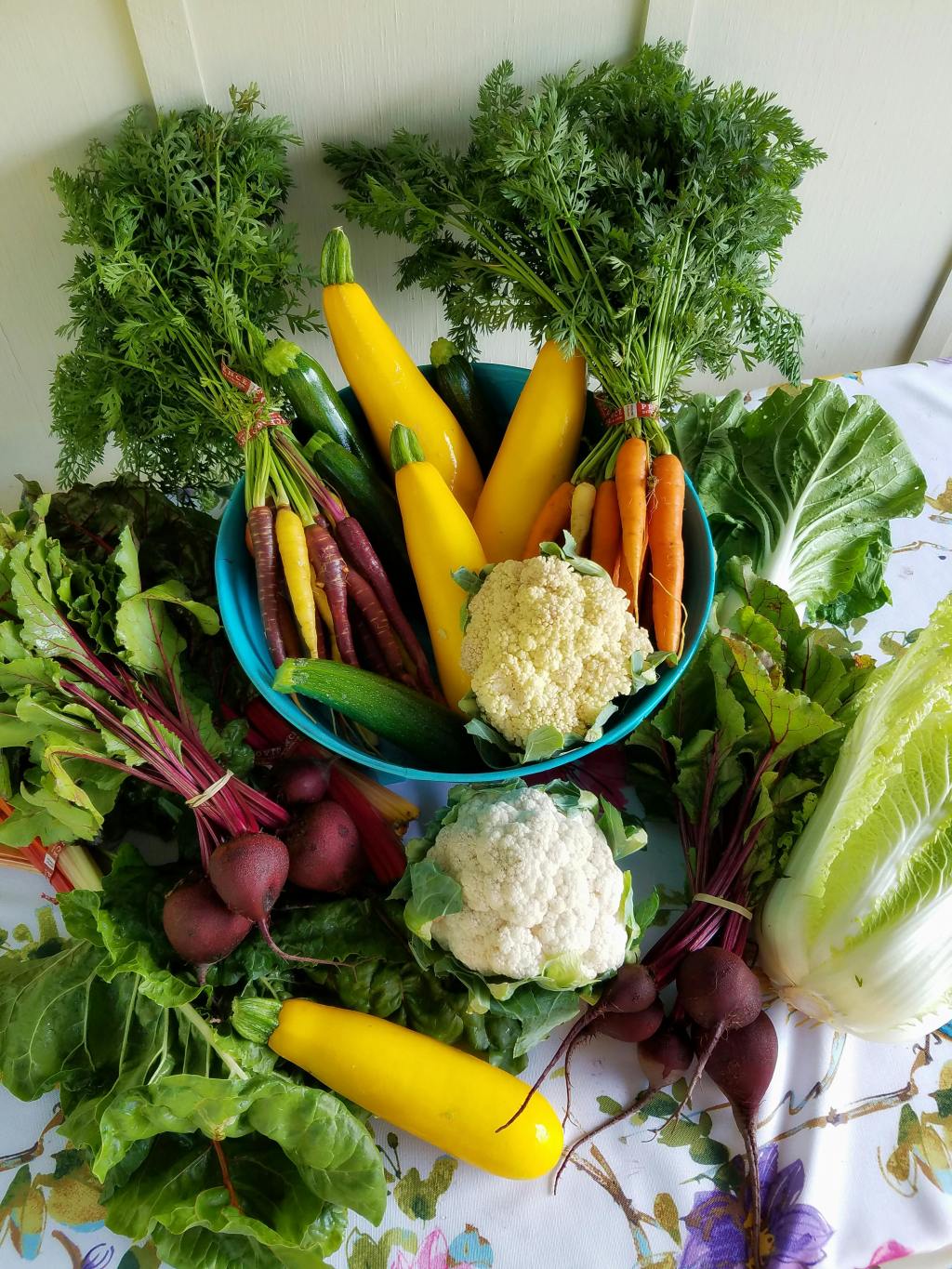
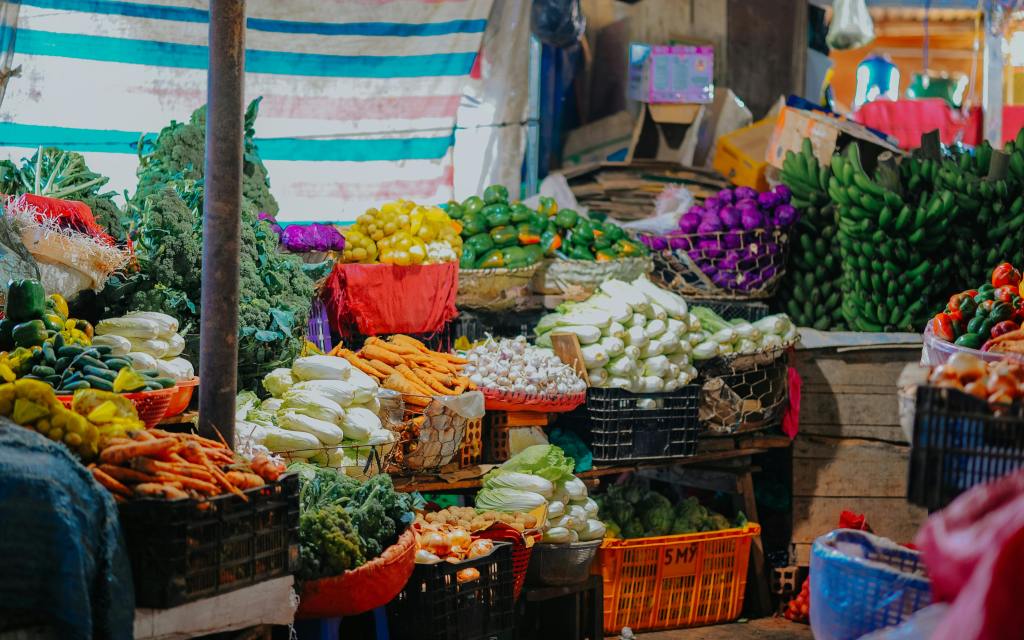
Eating plenty of vegetables is associated with a number of health benefits, including a longer lifespan. Studies have found that people who eat a diet rich in vegetables, especially cruciferous vegetables like broccoli, cauliflower, and Brussels sprouts, tend to live longer than those who do not. This is thought to be due to the high levels of antioxidants and other beneficial compounds found in vegetables.
Brightly colored vegetables like carrots and peppers are high in carotenoids, which may help reduce the risk of heart disease, diabetes, and certain types of cancer. Leafy green vegetables like spinach and kale are high in vitamin K, which is important for bone health and blood clotting.
Vegetables provide essential nutrients, vitamins, minerals, and antioxidants that support overall well-being. These compounds help to protect our cells from damage and reduce inflammation, both of which are associated with a longer lifespan.
6. Fruits

Fruits, like vegetables, are packed with antioxidants and other compounds that can help increase lifespan. For example, blueberries and strawberries are high in antioxidants called anthocyanins, which have been shown to boost brain health and may even prevent age-related memory loss. In addition, fruits like bananas and apples are rich in potassium, which is important for heart health. They are rich in antioxidants, which protect our cells from damage and help reduce inflammation.
Fruits are a good source of vitamins and minerals, which are important for overall health. Fruits are low in calories and high in water content, making them a great choice for weight management. But it’s not just the antioxidants and other compounds in fruits that make them so beneficial. Fruits are also high in fiber, which is important for gut health. A healthy gut is associated with a longer lifespan as well as a reduced risk of chronic diseases like diabetes and heart disease.
So, fruits not only provide us with important nutrients, but they also help to keep our gut healthy, leading to a longer, healthier life. All of these factors contribute to a longer and healthier life. It’s advisable to include a variety of fruits in your diet to ensure a broad range of nutrients. Overall, eating plenty of fruits can help improve our health and may even extend our lifespan.
7. Fish
Fish is often considered a healthy addition to the diet and has been associated with potential health benefits that may contribute to a longer life span. Fish, particularly fatty fish like salmon, mackerel, and sardines, are rich in omega-3 fatty acids, which are known for their cardiovascular and anti-inflammatory properties. Omega-3 fatty acids are especially important for brain health, and they may even reduce the risk of depression.
Consuming fish regularly may help lower the risk of heart disease, improve cognitive function, and support overall well-being. In addition, fish is a good source of vitamin D, which is important for bone health. Eating fish a few times per week has been linked to a longer lifespan, and it may even help to protect against certain cancers. It’s recommended to include a variety of fish in your diet as part of a balanced and diverse nutritional approach.
Conclusion

As we navigate the complex terrain of nutrition and its impact on life span, one thing becomes clear: our dietary choices hold the key to unlocking the door to a longer, healthier life. By embracing a nutritional diet rich in diverse, nutrient-packed foods, incorporating anti-inflammatory elements, and considering innovative approaches like caloric restriction and intermittent fasting, individuals can embark on a journey towards the tough fountain of longevity.
In this pursuit, knowledge becomes power, and the choices we make at the dinner table may very well influence the quality and quantity of the years that lie ahead.
However, individual dietary needs can vary, and consulting with a healthcare professional or nutritionist is advisable for personalized advice.
Live healthy. Live well.
If you found this helpful, don’t forget to like, comment, and share.




 The Wellocrat
Leave a reply to Akpabioukeme Cancel reply