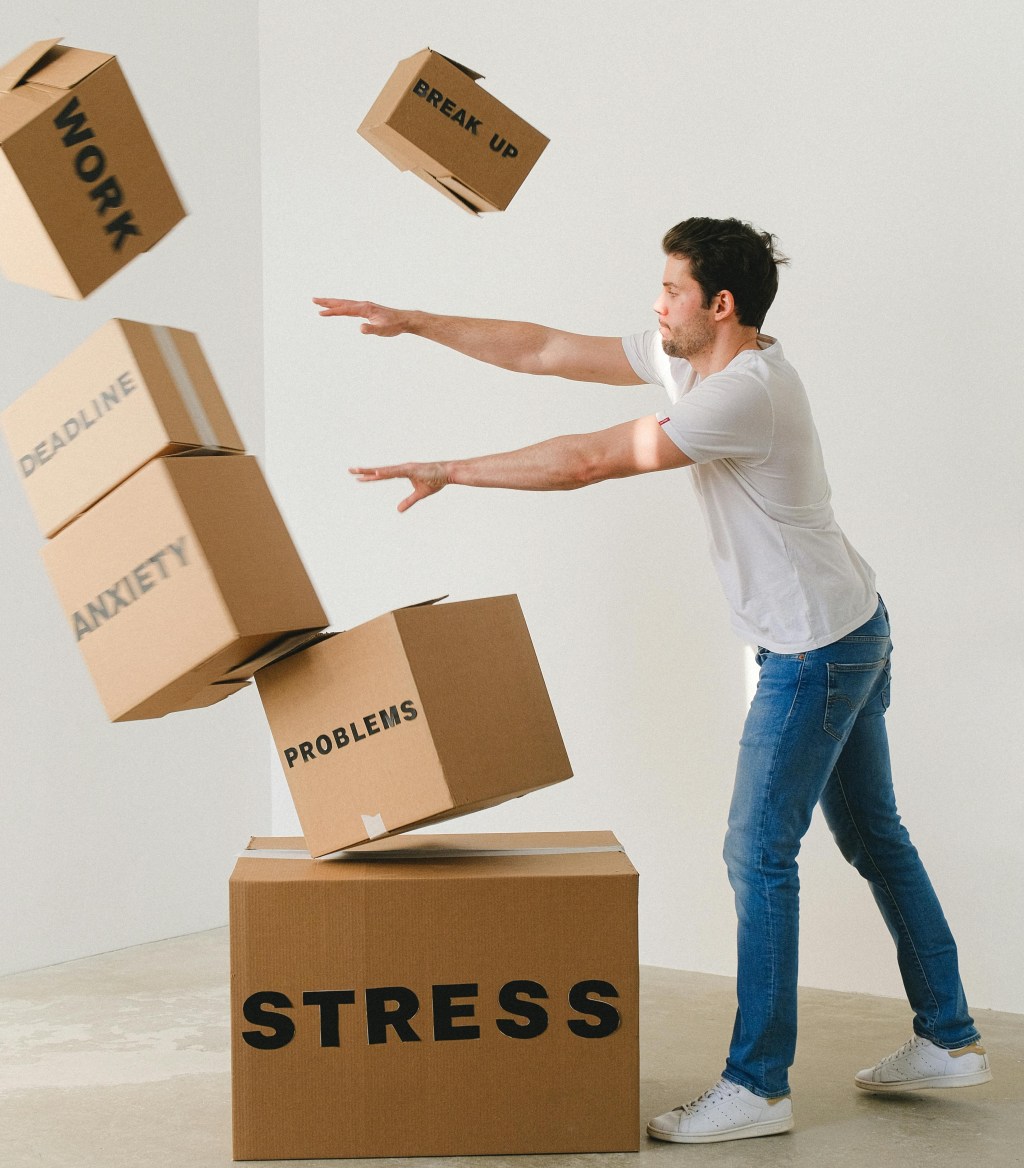

Stress has become a modern-day epidemic. This unwelcome companion has infiltrated every aspect of our lives and taken a toll on our well-being. It leaves us feeling drained, always in a rage, overwhelmed, wanting to scream out our lungs, and breaking down. What if there is a way to manage stress effectively?
In this guide, we will delve into stress-fighting techniques way beyond just breathing and comprehensive, step-by-step ways to overcome this major health concern. We will venture into mind-body connections; from mindfulness and relaxation to healthy habits and social connections, you will discover your unique stress triggers; and we will also equip you with ways to build resilience and cultivate inner calm.
So let us ditch the conventional and embrace one that not only empowers you to survive but also thrives in the face of adversity.
A guide to fighting stress beyond breathing
According to the Advanced English Dictionary, stress is a state of mental or emotional strain or suspense. Chronic stress causes a lot of havoc on both physical and mental health, leading to a host of issues, from insomnia and fatigue to anxiety and depression. Read 5 Ways Stress Affects Your Body
So you see, while short or long breathing exercises could be beneficial, the root causes need to be addressed, which is why we seek to go beyond just breathing.
Mind and body techniques: cultivating inner peace
1. Mindfulness and meditation

This is one of the most powerful tools for transcending stress. Mindfulness involves paying attention to your present environment without judgment. Practicing mindfulness helps you focus on the present moment, clear your anxious thoughts, reduce stress levels, promote better sleep, and promote inner peace.
Incorporating mindfulness into your daily routine will demand you set aside a few minutes each day for formal meditation practices.
- Start small
- Find a comfortable and quiet place void of distractions and interruptions.
- Make sure to maintain a relaxed yet alert posture.
- Close your eyes and concentrate on your breathing, feeling every sensation of your inhaling in and out.
- Your mind is sure to wander at first, but calmly bring your attention to the present moment without drifting off track.
There are two ways you can perform your meditation practices:
- Guided meditation: This is a great starting point that involves or requires using meditation apps, online resources, or external help from coaches or professionals to actualize the process.
- Walking meditation: This is a more active approach where the individual walks in nature, focusing on and enjoying the rhythm of their breath and the sensations around them.
As you adapt more to this practice, you will notice a shift in the way you handle stress and its effect on you.
2. Relaxation techniques

This technique can easily be practiced even at home to induce deep relaxation and fight off stress.
Some of the relaxation methods are:
- Visualization: creating calming mental images that make you happy and relaxed.
To practice this,
- Close your eyes and imagine yourself in a place that gives you calm and peace, e.g., a beach, a forest, etc.
- Focus on the smells, scenery, and sounds of that environment.
- Progressive muscle relaxation: tensing and relaxing different muscle groups in the body systematically. It promotes physical relaxation and reduces tension.
To practice this relaxation,
- Tense your toes for a few seconds, then relax them.
- Then tense and relax your calves
- Followed by your thighs, buttocks, and so on
- Make sure to work your way up your body
3. Identifying your stressors

Being able to identify and pinpoint your stress triggers is the first step towards managing this unwelcome companion effectively, because stress can come from various aspects of life.
The importance of identifying personal stress triggers:
- It helps tailor your coping mechanisms to address those unique issues.
- Early warning signs are easily recognized
Tips on identifying these triggers:
- Keeping a journal to track your mood is a good way to work on your stress triggers.
- Identify people or situations that consistently lead to stress.
- Get stress-tracking apps
Lifestyle practices
4. Social connections

Strong social connection is a great fighter against stress because we humans are social beings by nature, wired to connect and belong. Even though genuine connection has taken a U-turn due to evolving technology and change, it still plays an important role in this management process.
Strong relationships provide a sense of belonging and security, they trigger the release of oxytocin; they give different perspectives on issues; and sharing your experiences reduces stress.
Ways to leverage social connections:
- Grooming relationships with supportive loved ones
- Join a health and wellness group class
- Become a volunteer in your community
- Making acquaintances is good, but remember quality over quantity.
5. Challenging negative thoughts

Our body’s inner communication impacts our stress level significantly; these negative thoughts make us feel anxious and overwhelmed.
This technique works by:
- First pay attention to your inner thoughts that criticize and predict bad outcomes.
- Refusing to accept the negativity as truth and questioning those negative thoughts.
- Challenge your negative thoughts by replacing them with realistic beliefs through intellectual restructuring and positive self-talk.
- Focusing on your strengths
- Being compassionate to your inner voice
- Contradicting evidence for your negative thoughts
Techniques for reframing negative thinking:
- CBT (Cognitive Behavioral Therapy) is a technique that helps reframe your thinking pattern. Therapists and online resources can guide you through this process.
- Identify unhelpful thinking patterns
- Focus on what you can control
- Use humor
- Shift perspective
This tool takes practice, but it’s worth developing because you can reduce stress and improve your overall well-being.
6. Creative expression

One of the most powerful ways to overcome stress, express yourself, and connect to your innate self is by unleashing your hobby. It offers a multitude of benefits for both your emotional and mental well-being.
This include:
- Promotes mindfulness and helps detach from anxious thoughts.
- It brings about a sense of satisfaction and accomplishment.
- It allows the process and release of feelings in a productive way.
- Provision of healthy distractions
Creative activities include:
- Visual arts: painting, drawing, etc.
- Music therapy
- Expressive writing: poetry, journalism, etc.
Channeling your thoughts and emotions into these expressions helps distract your mind from stress, gives you insight into your inner world, and leaves you with a sense of fulfillment. You will be surprised at how effective it can be.
Healthy habits: Energizing the body, calming the mind
7. Diet

When stressed, your body produces hormones that destroy your health. Focusing on a balanced diet highly rich in veggies, fruits, lean protein, and whole grains is a huge support for your mood and response to stress.
Some tips:
- Stay hydrated
- Incorporate adaptogenic herbs into your diet
- Avoiding skipping meals
- Limit your intake of unhealthy fats, processed foods, and sugary drinks.
8. Sleep

Sleep is a necessity and a priority in managing stress. When well-rested, you are able to cope with challenges and bounce back from setbacks with fresh energy. It improves mood, reduces stress hormones, boosts intellectual function, and enhances emotional stability.
How to ensure quality sleep:
- Carve out a relaxing bedtime routine
- Optimize your sleep environment
- Provide a regular sleep schedule
- See a doctor if you have trouble sleeping
9. Movement and exercise

This is not just about physical fitness; it is a powerful mood booster (endorphins) and helps relieve stress hormones. Engaging in activities you enjoy is key; activities like yoga, walks in nature, jogging, high-intensity workouts, and dancing work smoothly for your mind and body.
A little motivation
- Participate in an exercise or body movement you love.
- Starting small is no big deal; with time, you will do better.
- There are many ways to move your body; explore all of them.
Be sure to move your body in a way that feels good and nourishing.
Integrating strategies for maximum stress relief
As you embark on this tasking but life-saving journey, remember:
- It’s about finding a holistic approach that goes with your personal needs and preferences.
- You are cultivating a wide toolkit for managing stress.
- Reclaiming your sense of well-being is the goal.
- Tracking your progress and adjusting strategies is needed.
- You are unique, so no-one-size fits all.
Conclusion

It’s all about you. Deep breathing exercises are a valuable tool to fight stress, but they are just a piece of the puzzle. Experiment with these comprehensive techniques, see what works for you, and create and customize a unique stress management plan just for you.
By using the tools discussed, you will promote inner calm, build strength, and take control of this major health concern for good. Remember, you deserve to feel your best. Take control of your stress and create a life filled with calm and well-being.
If you find yourself overwhelmed, seeking help from a professional therapist or counselor is strength at its best, and for some of you with medical conditions, this professional help is recommended. These professionals will provide valuable tools to help you navigate these stressful situations and find the best possible way out. You deserve to feel your best, so live well☺️
Read more @Coping with Stress – Centers for Disease Control and Prevention.
If you found value in this article, make sure to like, comment, and share.


 The Wellocrat
Leave a comment