Do you know that feeling of butterflies in your stomach when you are anxious or excited? Well, these feelings are more genuine than you think. Science has revealed that our gut health is intimately linked to our physical and mental happiness.
A fascinating world within our stomach, the health of our gut microbiome, and the thousands of bacteria living there. This article will explore and provide doable tips to groom a thriving gut microbiome for a healthier and happier you.
The gut microbiome and its importance

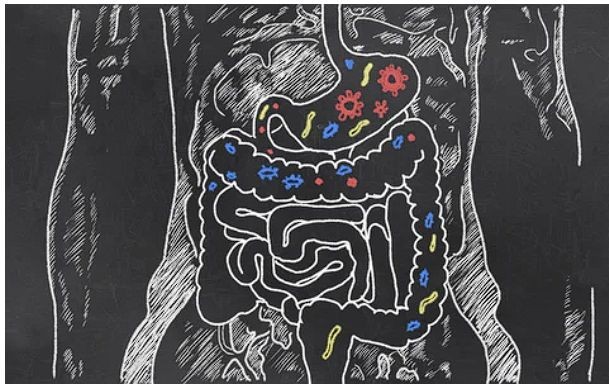
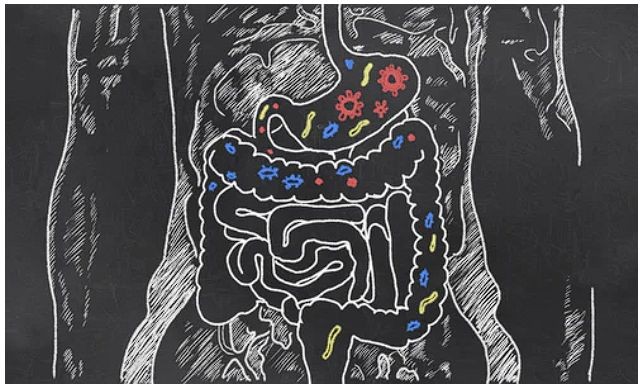
A “gut” is a part of the alimentary canal between the stomach and the anus, according to an advanced English dictionary. The bacteria and other microorganisms in the gut are known as microbiomes, which help break down food, turning it into nutrients the body can make use of.
This microbiome is made up of different communities of some good and some not-so-good bacteria, all sorting for what to make use of and space. The balance between these two types of bacteria is key to keeping your gut and yourself healthy and happy.
Some important aspect of these microbiomes include:
- The breakdown of food into nutrients for the body
- Nutrients absorption
- Regulation of your immune system by helping to differentiate between beneficial and harmful substances, etc.
Factors affecting gut microbiome composition
Often than not, the balance of these microbiomes could be disrupted, either intentionally or not (which is mostly the case). These factors influence the delicate balance of these gut bacteria.
- Diets that are high in sugar, unhealthy fats, and unprocessed foods disrupt the balance of gut bacteria.
- Environment
- Research shows that sleep deprivation does not allow the microbiome to function properly.
- Chronic stress influences gut health in a negative way.
- Genetics
- In some aspects, the use of antibiotics can kill beneficial bacteria in the gut.
These factors could vary depending on individual differences.
The gut-health connection

Research over the past decades has shown some strong links between gut health and chronic health issues, like:
- Cancer
- Endocrine conditions
- Cardiovascular diseases
- Mental disorders
- Autoimmune diseases
- Gastrointestinal diseases
- Obesity
- Diabetes
These issues could arise when the function of a certain type of bacteria in the gut has been disrupted or stopped. The major types of these bacteria and their functions are:
1. Bacteroidetes
- This bacteria breaks down complex fibers and carbohydrates.
- They also regulate the immune system.
2. Firmicutes
- It produces short-chain fatty acids from dietary fibers.
- It also helps to synthesize vitamin K.
3. Bifidobacteria
- It helps support the gut barrier function, which prevents harmful substances from leaking out of the gut.
4. Lactobacilli
- This bacteria is known for fermenting foods like yogurts, etc.
- They produce lactic acid, which maintains an acidic environment in the gut that discourages the growth of harmful bacteria.
The importance of gut health cannot be overstated; it hugely impacts well-being. By taking care of it, you are investing in your overall health and happiness.
Signs of an unhealthy gut
While reading, you might be wondering how to identify when something is going wrong in your gut—things to watch out for. For safety purposes, here you go:
- Upset stomach
- Skin irritation
- Constant tiredness
- Research suggests sleep disturbances can also be a sign of an unhealthy gut.
- Research indicates food intolerances, like food allergies, could be one of the symptoms.
- Unintentional weight gain
- Studies also show autoimmune conditions are on the list.
Although these could be symptoms of other diseases, these are definitely signs to look out for. If these are noticed, seek professional help and advice.
Seeking to keep your gut happy? Food and lifestyle

1. Eat foods high in fiber
Research has shown that a fiber-rich diet enhances gut health. Fruits, whole grains, nuts, legumes, and vegetables are good sources of fiber, which acts as prebiotics, providing food for the good bacteria in your gut.
2. Consume collagen–boosting foods such as:
- Meat
- Eggs
- Nuts
- Citrus fruits,etc,.
3. Practice eating slowly, which reduces the risk of certain diseases and reduces digestive discomfort.
4. Limit ultra-processed, sugary meals
Sugary drinks, processed foods, and excessively unhealthy fats need to be limited, as this can disrupt your gut health.
5. Intake of food rich in polyphenols
Beneficial plant compounds that impact your gut microbiome. Some of these foods include:
- Cocoa and chocolate
- Coffee
- Herbs and spices
- Green and black tea
6. Probiotics and prebiotics
Research suggests implementing foods like yogurt, kimchi, and kefir, which are probiotic-rich and prebiotic supplements that groom good bacteria in the gut. It is best to speak with a healthcare professional when choosing a probiotic or prebiotic supplement.
7. Stay hydrated; it prevents constipation and lots more.
Beyond Diet: Habits for a Jolly Gut

1. Lower your stress levels
Stress management is a key tool and habit that you need to inculcate because stress causes damage to your gut. Stress management techniques such as
- meditation
- yoga
- A massage
- Spending time with family and loved ones
- Diffusing essential oils
All these will be of great help.
2. Regular exercise
Surprised? Yeah, exercise regulates and promotes your gut health and overall well-being. Exercises like walking and cycling will stimulate your guts for the better. These guided and gentle moves here and there will surely do the magic.
3. Adequate sleep
Sweet dreams 🥱 a good rest plays a vital role in this aspect of your health. 7–8 hours of sleep each night is recommended by doctors and scientists for the brain to function properly and your gut as well. If you have trouble sleeping, your doctor will be of great help.
Gut research is still ongoing and constantly evolving, and personalized medicines for individual gut microbiomes are being explored by scientists.
Key takeaway

Your gut is not just a digestive path; it is a major ecosystem that plays an important role in your entire well-being. By inculcating these simple yet actionable dietary and lifestyle changes, you can nurture your gut microbiome and reap the benefits of a healthy belly, leading to a happier and healthier you.
If you need guidance on how to go about this, talk to your doctor, because professional assistance could be needed for individuals with special needs.



 The Wellocrat
Leave a comment